
Trading in the forex market can be highly rewarding, but it requires a disciplined approach and well-defined strategies. The foreign exchange market is known for its liquidity and volatility, presenting opportunities for profit while also posing risks. To succeed, traders need to adopt strategies that help them analyze trends, manage risk, and execute trades effectively.
One of the fundamental strategies is trend following. This approach involves identifying the direction of the market—whether upward, downward, or sideways—and executing trades in alignment with that trend. Trend-following traders often use tools such as moving averages, trendlines, and the MACD indicator to confirm momentum and make informed decisions. By trading with the trend, traders increase the probability of successful trades and reduce the likelihood of being caught in market reversals.
Another effective strategy is range trading. This involves identifying price levels where a currency pair consistently bounces between support and resistance. Traders using this strategy buy near the support level and sell near the resistance level. Range trading is particularly useful in stable market conditions where currencies fluctuate within a predictable range. Indicators such as the RSI and Stochastic Oscillator can help identify overbought or oversold conditions, signaling potential reversals within the range.
Breakout trading is also a popular approach in the Forex Market. Breakouts occur when price moves decisively beyond established support or resistance levels. Traders look for strong momentum and increased trading volume to confirm the breakout. This strategy allows traders to capitalize on significant price movements early, often leading to substantial gains if timed correctly. Proper risk management, including stop-loss placement, is critical in breakout trading to protect against false breakouts.
Carry trading is another strategy that focuses on interest rate differentials between currencies. Traders buy currencies with higher interest rates and sell those with lower rates, aiming to profit from the interest rate spread in addition to potential currency appreciation. This strategy is more effective in stable markets and requires careful monitoring of economic conditions and central bank policies.
Risk management should be integrated into every trading strategy. Setting stop-loss and take-profit levels, controlling position sizes, and maintaining discipline are essential to protect capital and ensure long-term success. Even the most effective strategies can fail without proper risk control.
In conclusion, trading in the Forex Market requires a combination of analytical skill, strategy, and discipline. Trend following, range trading, breakout trading, and carry trading are among the key strategies that can guide traders toward consistent profitability. Coupled with robust risk management, these approaches help traders navigate market volatility and achieve sustainable success in the dynamic world of forex trading.
How the Forex Market Works Step by Step
The foreign exchange market processes over $7.5 trillion in daily trading volume, making it the largest financial market globally. Understanding its mechanics reveals why millions of forex market traders participate in currency exchanges around the clock.
Market Structure and Participants
The forex market operates through a decentralized network of banks, financial institutions, and individual traders. Major commercial banks handle approximately 70% of all transactions, while retail traders account for roughly 5% of total volume.
Central banks influence currency values through monetary policy decisions and direct market interventions. When the Federal Reserve adjusts interest rates, it creates ripple effects across all major currency pairs within minutes.
Hedge funds and institutional investors execute large-volume trades that can move markets significantly. These participants often use sophisticated algorithms to identify profitable opportunities across multiple currency pairs simultaneously.
Currency Pair Mechanics
Forex trading involves buying one currency while selling another, creating currency pairs. The EUR/USD pair, for example, shows how many US dollars equal one euro. When traders expect the euro to strengthen, they buy EUR/USD.
Major pairs include USD combinations with EUR, GBP, JPY, CHF, CAD, AUD, and NZD. These pairs offer the highest liquidity and tightest spreads, making them popular among both beginners and professionals.
Minor pairs exclude the US dollar, such as EUR/GBP or AUD/JPY. Exotic pairs combine major currencies with emerging market currencies, typically featuring wider spreads and lower liquidity.
Trading Session Dynamics
The forex market operates 24 hours daily from Sunday evening to Friday evening. Three major sessions overlap throughout the day: Asian, European, and North American sessions.
The London session generates the highest trading volume, accounting for approximately 43% of global forex transactions. Currency pairs involving EUR, GBP, and CHF show increased volatility during European trading hours.
New York session overlaps with London for four hours, creating peak liquidity conditions. This overlap period often produces the most significant price movements and trading opportunities.
Price Movement Factors
Economic indicators drive currency valuations through fundamental analysis. Employment data, inflation reports, and GDP figures can trigger substantial price movements within seconds of release.
Interest rate differentials between countries create carry trade opportunities. Traders borrow currencies with low interest rates to purchase higher-yielding currencies, profiting from the spread.
Geopolitical events and market sentiment significantly impact currency values. Political instability, trade negotiations, and global economic uncertainties create volatility that experienced traders can capitalize on.
Order Execution Process
Forex brokers connect retail traders to the interbank market through electronic trading platforms. When traders place orders, brokers either match them internally or route them to liquidity providers.
Market orders execute immediately at current prices, while limit orders activate when prices reach specified levels. Stop-loss orders automatically close positions to limit potential losses during adverse price movements.
Leverage allows traders to control larger positions with smaller capital amounts. While leverage amplifies potential profits, it equally increases risk exposure, requiring careful risk management strategies.
Risk Management Essentials
Successful forex trading requires disciplined risk management approaches. Professional traders typically risk no more than 1-2% of their account balance on individual trades, regardless of confidence levels.
Position sizing calculations help determine appropriate trade volumes based on account equity and risk tolerance. This systematic approach prevents emotional decision-making during volatile market conditions.
The forex market’s complexity offers numerous opportunities for those who understand its mechanics and maintain disciplined trading approaches.
Advanced Techniques for CFD Trading Success
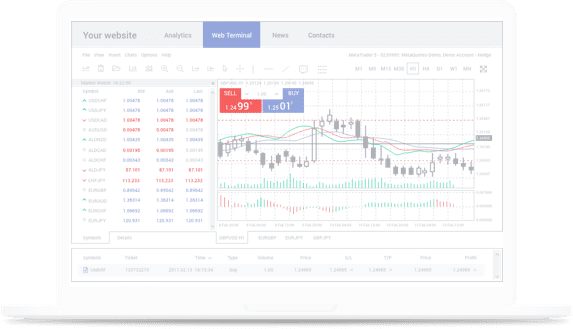
Contract for Difference (CFD) trading has gained immense popularity as a flexible financial instrument, enabling traders to profit from market fluctuations without owning the underlying asset. However, succeeding in the highly volatile world of cfd trading requires more than basic knowledge—it demands advanced techniques and strategic precision. This blog explores some effective methods seasoned traders use to maximize their profitability and reduce risks.
Leverage Smartly but Cautiously
Leverage is a double-edged sword in CFD trading. While it allows you to control a large position with a smaller amount of capital, it also amplifies potential losses. Successful traders adopt a balanced approach, using lower leverage ratios to minimize the impact of unfavorable market movements. Opt for leverage that aligns with your risk tolerance and trading plan, and remember to continually reassess your position sizes as the market evolves.
Key Tip:
Always calculate your risk-reward ratio before deploying leverage. A 1:2 or higher ratio is often considered prudent.
Master Technical Analysis
Technical analysis is indispensable in CFD trading. Traders use it to predict price movements based on historical data and market trends. Advanced techniques include:
• Chart Patterns: Learn to recognize patterns like head and shoulders, triangles, and flags for accurate entry and exit strategies.
• Indicators: Leverage oscillators like RSI and stochastic indicators to gauge momentum, and use moving averages to identify trends.
• Volume Analysis: Monitoring trading volume can help validate the strength of ongoing trends, ensuring more informed decisions.
Combining multiple technical analysis tools improves the accuracy of your predictions and builds confidence in your strategy.
Employ Risk Management
Risk management is the backbone of long-term CFD trading success. Sophisticated traders adhere strictly to principles like:
• Stop-Loss Orders: Set precise stop-loss levels to cap potential losses.
• Position Sizing: Allocate a fixed percentage of your capital to each trade, generally between 1% and 3%, to avoid overexposure.
• Diversification: Spread your investments across different assets and sectors to mitigate the impact of market volatility on a single position.
Effective risk management ensures that a few bad trades won’t wipe out your entire trading account.
Adapt to Market Conditions
CFD markets are constantly changing due to global economic events, political developments, and technological advancements. Adopting a flexible strategy and adjusting your approach to align with current market dynamics is critical. Stay informed by following trusted news sources, economic reports, and sentiment analysis.
Final Thoughts
CFD trading success requires a mix of technical expertise, disciplined risk management, and adaptability. By implementing these advanced techniques, traders can significantly enhance their chances of consistent profitability while minimizing risks. Take time to refine your approach and stay committed to continuous learning—the markets reward meticulous preparation.